
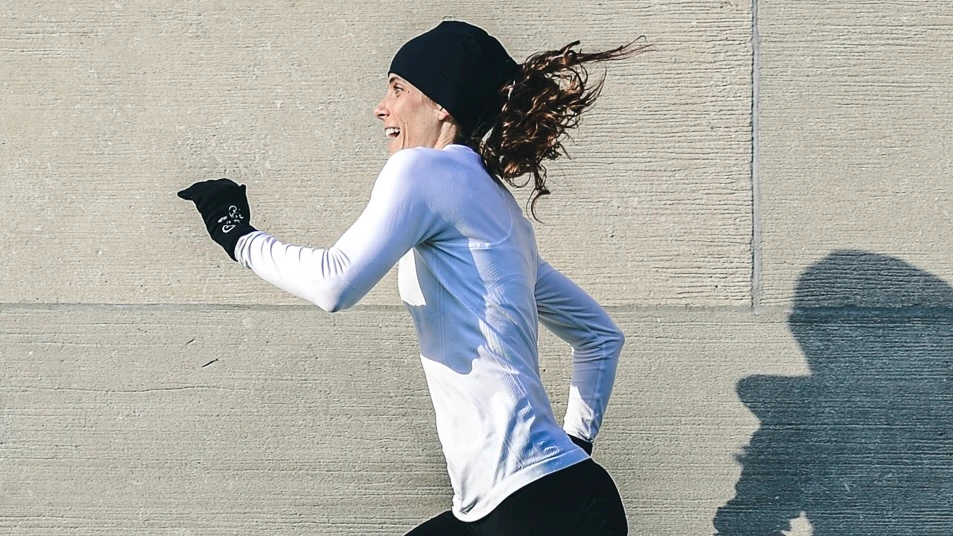
The transition from running in the summer to running in the fall can often be a struggle for many people, but there are definitely ways to make the transition easier. One way is to ensure that your running wardrobe is fully stocked so you can stay prepared for the fluctuating temperatures. Today, we’ll be walking you through the most important running gear to wear during certain temperatures.
Temperatures 50-60 degrees F
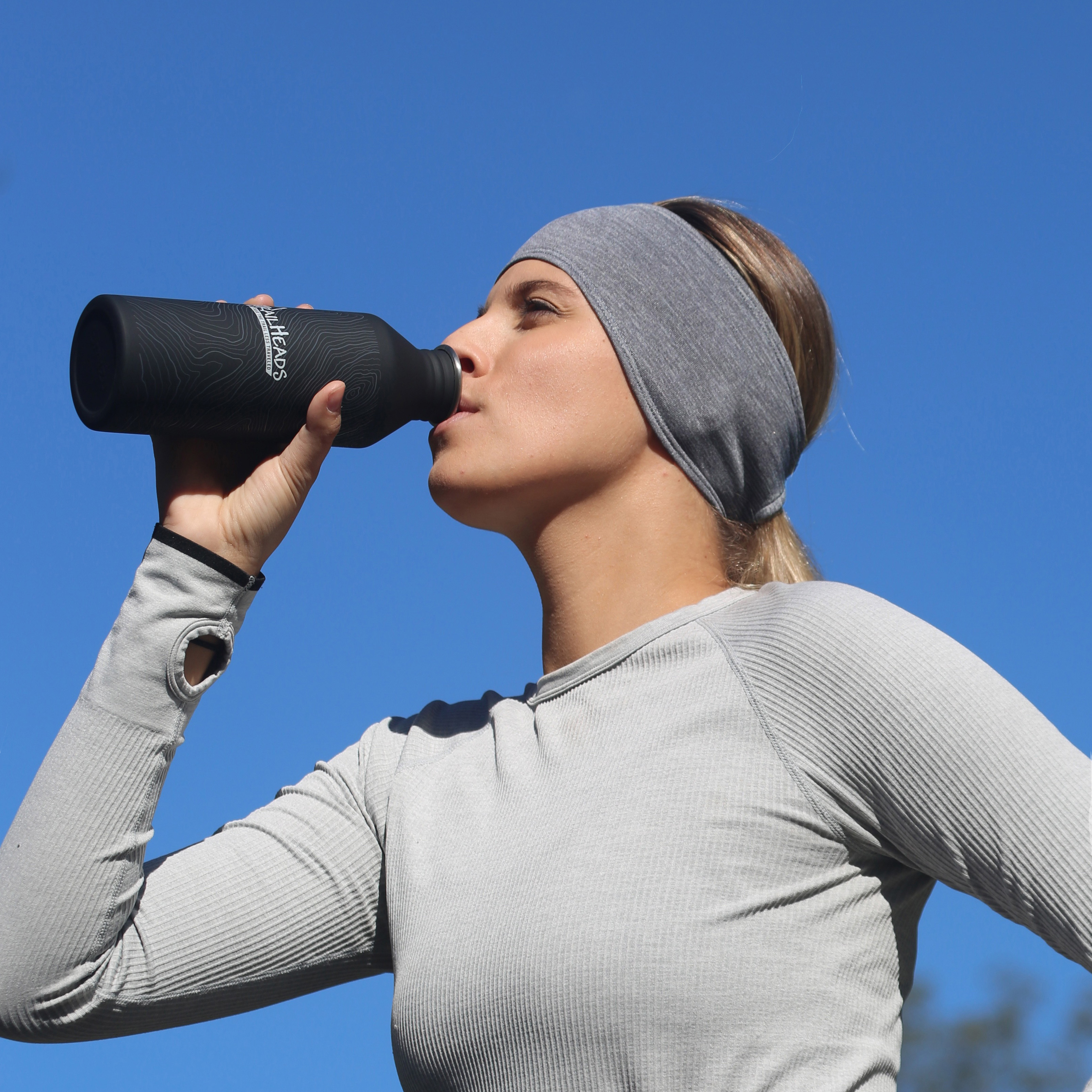
Those early fall runs when temperatures are around 50 - 60 degrees can be easier to adapt to, especially when the sun is out. If you’re running during peak daylight hours, and the breeze is at a minimum, lightweight performance headbands would be best to help soak up any perspiration. For women who want to accommodate their hairstyle, TrailHeads has several ponytail headband options, like the Women’s Power Ponytail Headband or the Women’s Adrenaline Ponytail Headband.
As the season progresses, cooler mornings and breezier afternoons can make the same temperature feel very different. On these days, lightweight running gloves can be a useful addition, especially if your fingers tend to get cold before the rest of your body warms up. The TrailHeads Touchscreen Running Gloves, available in Women’s and Men’s sizing, provide coverage without requiring you to bundle up in heavier winter gear. You can also tuck a pair into a running belt or pocket and pull them on when the wind picks up.
Temperatures 40-30 degrees F
When thinking about what to wear as the temperatures drop into the 40s, remember that it becomes more important to protect your hands and ears. You might not need a hat and gloves for every run in this temperature range, but having them ready lets you adjust to the conditions instead of cutting your run short because you underestimated the cold.
For your hands, lightweight running gloves are a practical choice, like the TrailHeads Power Running Gloves for Men and for Women. These are good options to consider when you need a little more coverage than you did on the warmer fall runs. If you usually start your workouts with cold fingers, putting your gloves on before heading outside can help you settle into your pace without waiting for your hands to warm up.
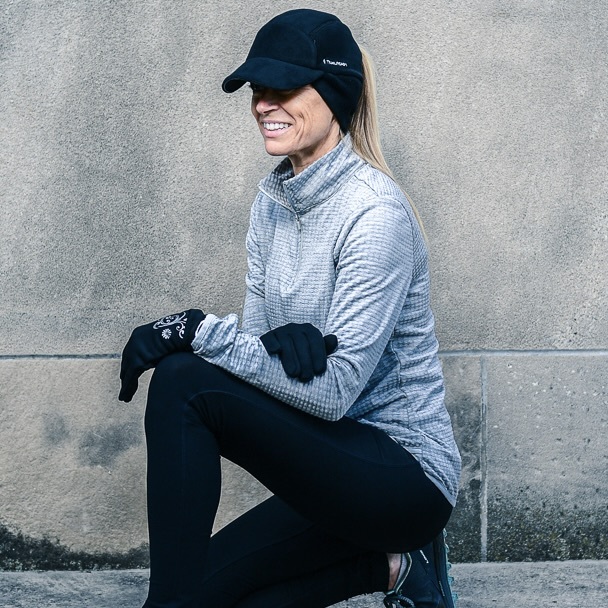
Keeping your head warm may need a little more attention, too, particularly on early morning or evening runs when daylight is limited. A reflective ponytail running hat is a practical option for runners who want warmth while keeping their hair pulled back. The TrailHeads Reflective Ponytail Hat has both a ponytail opening and reflective details, perfect for if your running schedule often takes you out before sunrise or after sunset. Reflective running gear improves your visibility to others and overall safety.
For runners who prefer natural fibers, a merino wool beanie is a staple in a fall and winter running wardrobe. Merino wool is a sustainable material with outstanding performance. It’s lightweight yet warm, as well as moisture wicking and odor resistant. A Men's Merino Wool Beanie provides a snug fit that will stay in place, and a Women's Merino Wool Ponytail Beanie also accommodates longer hairstyles with the ponytail opening. These options work well when a headband no longer provides enough warmth and your ears still need that extra coverage.
Rain will make a run in the 30s feel much colder. If the forecast calls for showers, a waterproof running hat like the TrailHeads Waterproof Storm Runner Hats for Men and Women will help keep rain off your face, and out of your eyes. A hat with a brim is useful when you want to maintain visibility without constantly wiping water away. Having a hat designed for wet weather can make a difference on those chilly, rainy days when you don't want to skip a training day.
Temperatures 20 degrees F and below
Running in temperatures below 20 degrees requires extra attention to warmth, wind chill, and how long you plan to spend outside. Insulated accessories and multiple clothing layers can help protect you from the cold during winter workouts. At these temperatures, it’s important to cover exposed skin and choose clothing that allows sweat to move away from your body.
When the temperature drops, keeping your hands warm can become more challenging. The TrailHeads Zip Mitts are worth considering for runners who want extra warmth without sacrificing convenience. Their zippered design lets you access your fingers for tasks like using your phone, unlocking your door, or handling your dog's leash without removing the entire mitten. Mittens like these with an extended cuff to protect your wrists and lock in warmth are also important to have when temperatures get this low.
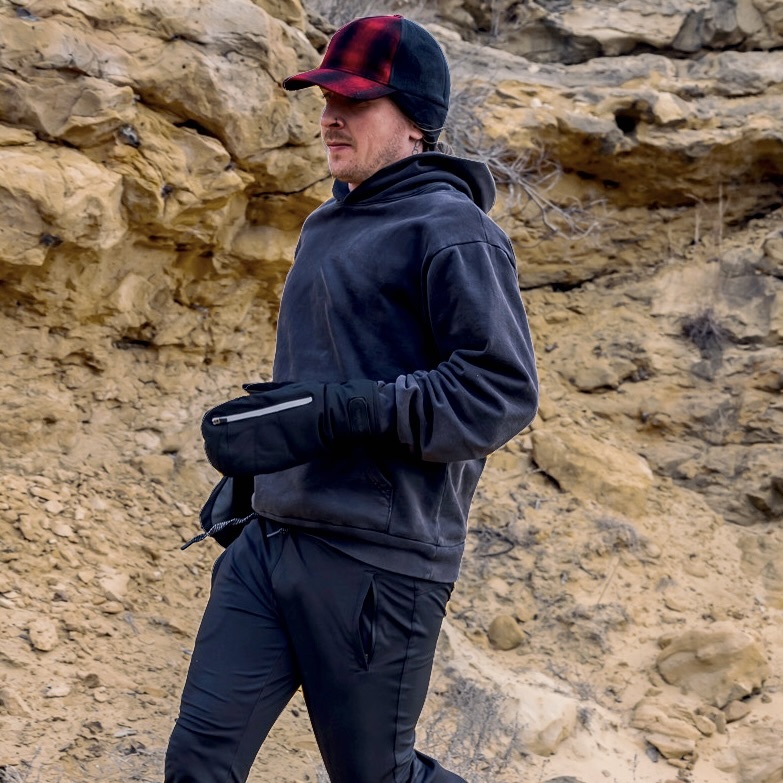
You can also wear lightweight liner gloves underneath your mittens or heavier running gloves for an additional layer of insulation. Choose layers that fit comfortably without restricting movement or circulation.
Your head and neck need extra protection during extra cold runs, too. The TrailHeads Trailblazer Hat features a fleece design with a ponytail opening and adjustable ear coverage to help you adapt to changing conditions. Pairing a warm running hat with a neck warmer can help cover exposed skin around your ears, neck, and lower face. A neck warmer is also easy to adjust as your body temperature changes throughout your workout. Combine these running accessories with a moisture-wicking base layer, an insulating midlayer, and a wind-resistant outer layer and you’ll be all set for the coldest days.
So what are you waiting for? Don’t let Mother Nature hold you back from getting active this season. With the right running accessories and clothing layers, you can keep up with your routine throughout the colder months. Gear up and get out there!