

Winter running offers many runners an invigorating experience, with quiet trails, crisp air, and snow-dusted landscapes that make each workout special. But cold weather also introduces specific challenges—blowing wind, snow, and plunging temperatures—that can turn an otherwise enjoyable activity into an uncomfortable or even unsafe ordeal if you're unprepared.
The secret to conquering winter outdoor efforts isn’t just in the clothing you choose but in mastering the art of layering your running accessories. When layered correctly, your gear can keep you warm, dry, and comfortable without hindering your performance or mobility.
Layering is about managing your body’s heat, moisture, and protection from the elements. It involves selecting clothes and accessories that work in harmony to provide insulation, while allowing your skin to breathe and moisture to escape. The goal is to prevent overheating during exertion and freezing afterward—a delicate balance achieved through proper layering.
It all begins with a moisture-wicking base layer. This layer should be lightweight and breathable, ideally made from synthetic fabrics like polyester or wool blends designed to draw sweat away from your skin. Staying dry is crucial because wet skin loses heat much faster, risking discomfort or hypothermia. TrailHeads offers a variety of headbands, hats, and caps made from moisture-wicking materials, providing reliable foundation pieces to keep you dry during intense activity.
Next is an insulating middle layer meant to trap heat while still permitting moisture to escape. Lightweight fleece or thermal tops work well here. You should aim for a layer that provides warmth without bulk and prevents moisture buildup that can make you feel cold or clammy. For your head consider fleece hats, for example, which provide extra insulation around your ears that are often exposed to the wind. These headbands are designed to be lightweight and highly breathable, ensuring you stay warm without overheating.
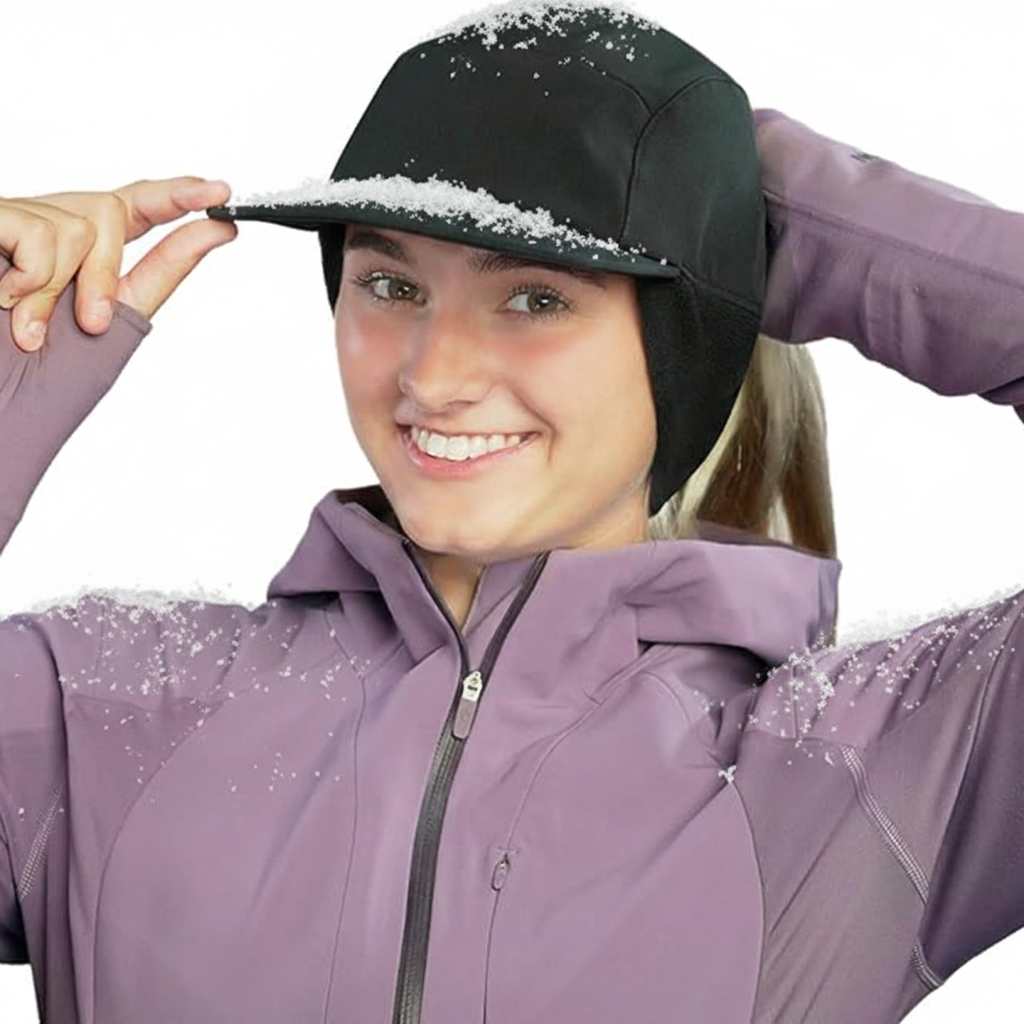
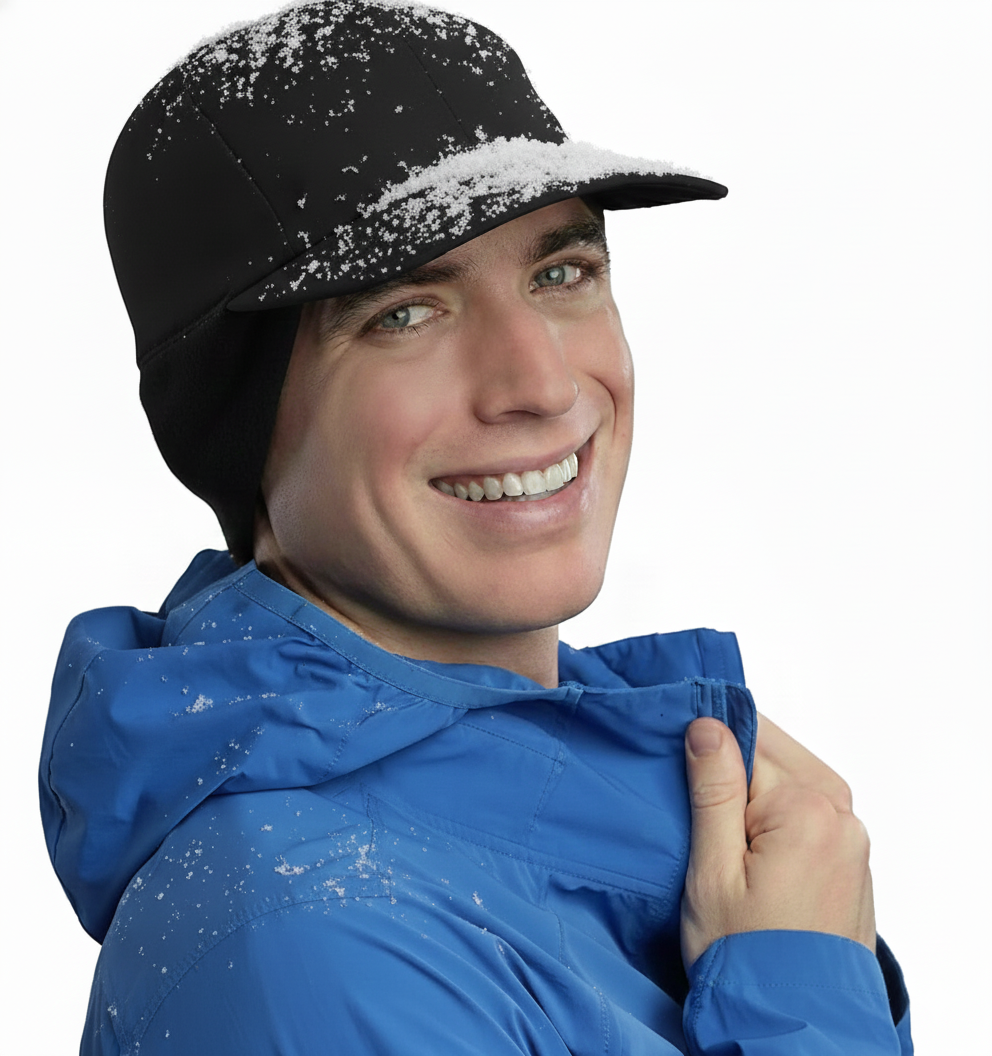
The outermost layer acts as a shield against wind, snow, and rain. A quality windproof and water-resistant shell protects you from the elements while still allowing moisture to escape. An outer shell should be breathable enough to prevent sweat from accumulating inside, which can cause discomfort or chilling. Many runners opt for a light, packable jacket or vest with adjustable vents for comfort during different exertion levels, and many of these are designed with performance fabrics to balance protection and breathability. Consider a waterproof hat for protecting your head. TrailHeads offers the Storm Runner in men’s and women’s versions that are ideal for hiking, running and getting outdoors in the winter months. The Storm Runner features a high-tech 3-layer fabric consisting of an outer layer with a durable water repellent finish, followed by a 100 percent waterproof membrane and a microfleece lining that is ultra soft, insulating and moisture wicking making it an ideal accessory for being out in the rain.
Accessories are critical for elevating your winter running experience. A running headband is a must-have item, especially in colder weather. A well-constructed headband like TrailHeads’ Women’s Ponytail Running Headband features moisture-wicking, double-layer fabric that keeps your ears warm and manages sweat. TrailHeads also recommends its Adrenaline headband which is made with a performance fabric that wicks away sweat and offers maximum comfort. The 4 way stretch fabric fits securely and keeps the band in place so you can get in a great session without having to worry about any distractions, its ideal for all winter outdoor activities. Opt for one of the designs with reflective accents to enhance visibility in low-light conditions—a key safety feature.
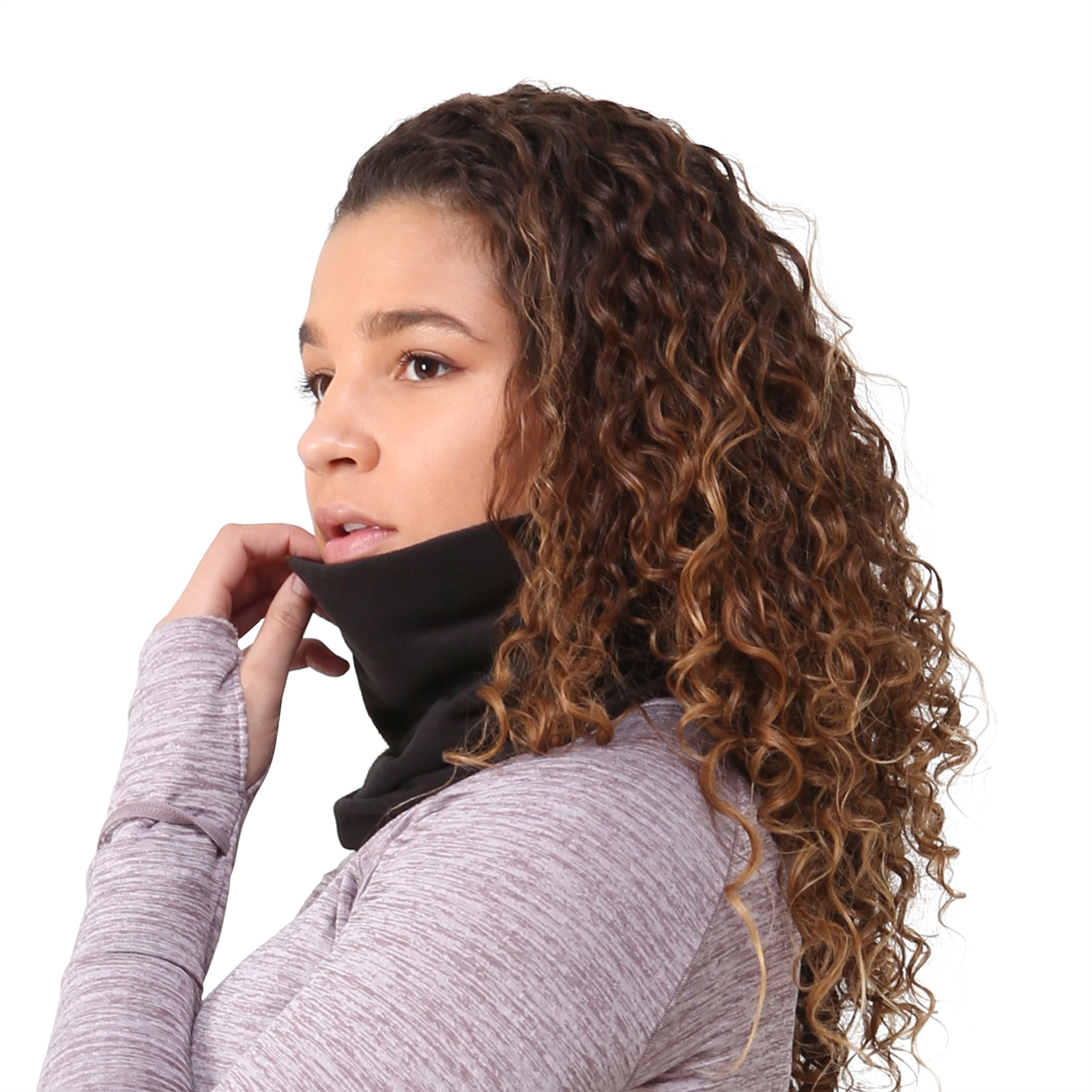
The neck gaiter or buff is another versatile essential that provides full or partial face and neck coverage. Made from soft fleece or moisture-wicking fabric, they fit snugly to block wind and cold, while their lightweight design prevents excess heat and moisture retention. For extra warmth, especially on very cold days, look for a neck gaiter with a contour cut that can also be pulled up to cover your nose and cheeks when winds pick up or when snow begins to fall, and then easily folded down when temperatures stabilize. Its contoured shape ensures full coverage without bulk, making them easy to layer under a jacket or over a base layer.
Warm gloves complete the layering ensemble.The best gloves for winter are those that combine insulation, breathability, and dexterity. Lighter gloves or liners are sufficient for moderate cold, offering moisture-wicking properties that keep your hands dry. For harsher conditions or longer runs, insulated gloves or mittens offer extra warmth to prevent numbness or frostbite. Many styles incorporate touchscreen-compatible fingertips and reflective accents for safety and convenience, allowing you to use your devices without exposing your hands to the cold.
While accessories add warmth and protection, it’s also important to find that balance and not over layer or choose overly insulated gear unless you are in extreme conditions. Many TrailHeads products are designed with high-performance fabrics that wick moisture and dry quickly, helping you stay comfortable during exertion in cold weather. For most outdoor runners, layering lightweight, breathable accessories lines up perfectly with the goal of staying warm without overheating or feeling weighed down.
Proper layering also involves adaptability. As you warm up, you should be able to shed or adjust layers easily—removing a headband, pulling down a gaiter, or switching to lighter gloves. This flexibility allows your gear to adapt to changing conditions during your workout, ensuring maximum comfort from start to finish.
Effective layering of winter running accessories is essential for staying comfortable, safe, and motivated during the colder months. By combining moisture-wicking base layers, insulating mid-layers, protective outer shells, and functional accessories such as running headbands, hats and neck gaiters.